
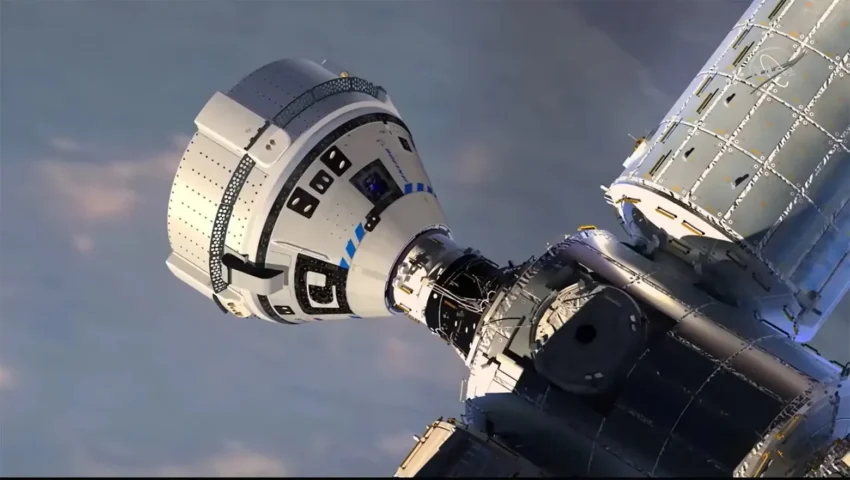
Elon Musk, the CEO of SpaceX, has sparked a new debate in the space community by calling for the deorbiting of the International Space Station (ISS) “as soon as possible.” His comments come amid growing discussions about the future of the ISS, which has been a cornerstone of international space collaboration for over two decades. While Musk’s stance reflects his vision for the future of space exploration, it has also raised questions about the timing, feasibility, and implications of such a move.
Why Musk Wants to Deorbit the ISS
Elon Musk’s call to deorbit the ISS aligns with his broader vision of advancing space exploration and commercialization. Key reasons behind his stance include:
- Aging Infrastructure: The ISS, which has been in orbit since 1998, is showing signs of aging. Maintaining the station has become increasingly costly and complex, with issues like air leaks and equipment failures becoming more frequent.
- Shift to Commercial Space Stations: Musk and other industry leaders believe that the future of space habitation lies in commercially operated space stations. Companies like SpaceX, Axiom Space, and Blue Origin are already working on next-generation stations that could replace the ISS.
- Focus on Lunar and Martian Exploration: Musk’s primary goal is to enable human settlement on Mars through SpaceX’s Starship program. He argues that resources currently allocated to the ISS could be better spent on developing technologies for deep-space exploration.
Challenges and Concerns
While Musk’s proposal has merit, it also faces significant challenges and concerns:
- International Collaboration: The ISS is a collaborative project involving NASA, Roscosmos (Russia), ESA (Europe), JAXA (Japan), and CSA (Canada). Any decision to deorbit the station would require consensus among these partners, which could be difficult to achieve.
- Transition to Commercial Stations: Although commercial space stations are in development, none are yet ready to replace the ISS. Prematurely deorbiting the ISS could leave a gap in space-based research and international cooperation.
- Scientific and Economic Value: The ISS continues to provide valuable scientific research, technological development, and economic benefits. Deorbiting it too soon could disrupt ongoing experiments and collaborations.
- Deorbiting Process: Safely deorbiting the ISS would be a complex and costly endeavor. The station’s massive size means that its re-entry must be carefully controlled to avoid risks to people and property on Earth.
NASA’s Current Plans
NASA has already outlined a plan for the eventual retirement of the ISS. The agency intends to operate the station until 2030, after which it will be deorbited and directed to re-enter Earth’s atmosphere, with any remaining debris landing in a remote area of the ocean. In the meantime, NASA is supporting the development of commercial space stations to ensure a smooth transition.
Musk’s Vision for the Future
Elon Musk’s call to deorbit the ISS “as soon as possible” reflects his forward-looking approach to space exploration. He envisions a future where commercial space stations and interplanetary missions take precedence over aging infrastructure like the ISS. However, his proposal also highlights the need for careful planning and international cooperation to ensure that the transition benefits all stakeholders.
Conclusion
While Elon Musk’s push to deorbit the ISS aligns with his ambitious goals for space exploration, the decision is not one that can be made unilaterally. The ISS remains a vital platform for scientific research and international collaboration, and its retirement must be carefully managed to avoid disrupting the progress made over the past two decades. As the space community debates the future of the ISS, one thing is clear: the next chapter of space exploration will be shaped by a combination of innovation, collaboration, and strategic planning.